

Coffee trends in 2026 are defined by four forces reshaping every cup: functional wellness ingredients, cold and convenient formats, evolving flavor profiles, and supply chains held to stricter environmental standards. Nestlé, specialty roasters, and independent cafés are all responding to the same pressure: a younger, more informed consumer who wants more from their coffee than caffeine. This guide breaks down what is driving each shift, what it means for your next order, and where the industry is heading through the rest of the year.
What are the leading coffee formats and consumer preferences in 2026?
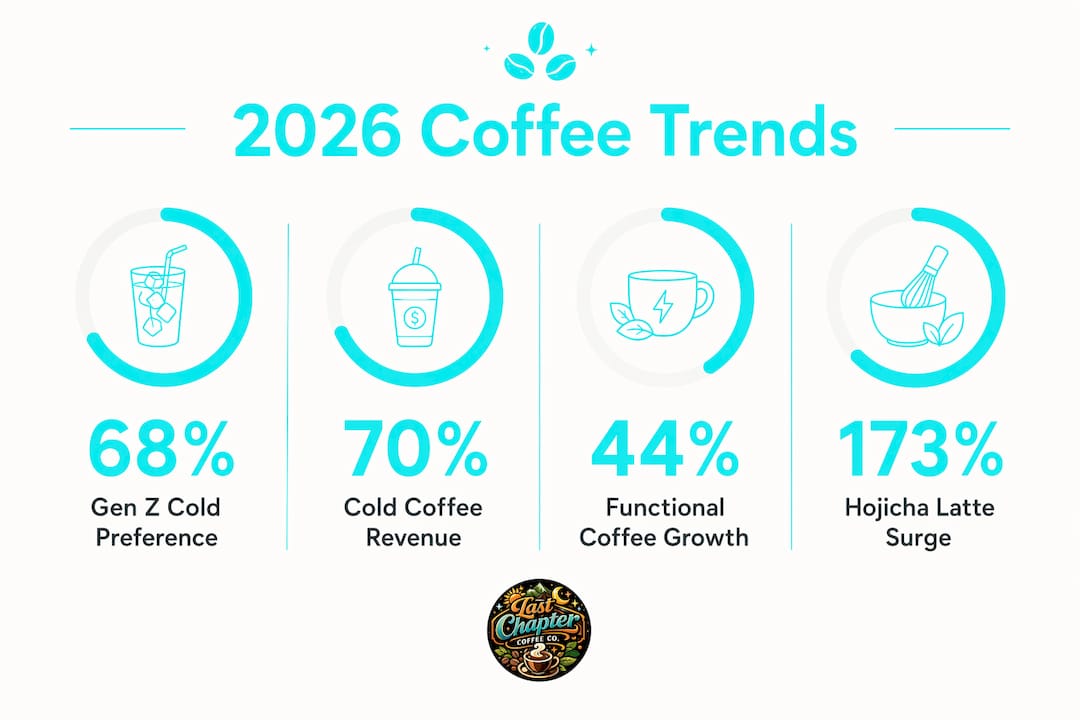
Cold coffee is no longer a seasonal menu item. Cold coffee now accounts for nearly 70% of total US coffee shop revenue. That number reflects a permanent behavioral shift, not a summer spike.
Gen Z is the engine behind this change. 68% of Gen Z consumers prefer cold coffee formats year-round, and their spending habits are pulling menus and product development in the same direction. Iced lattes average $5.59, roughly 15 cents more than their hot counterparts. Higher price tolerance for cold formats signals that consumers see them as a premium experience, not just a temperature preference.
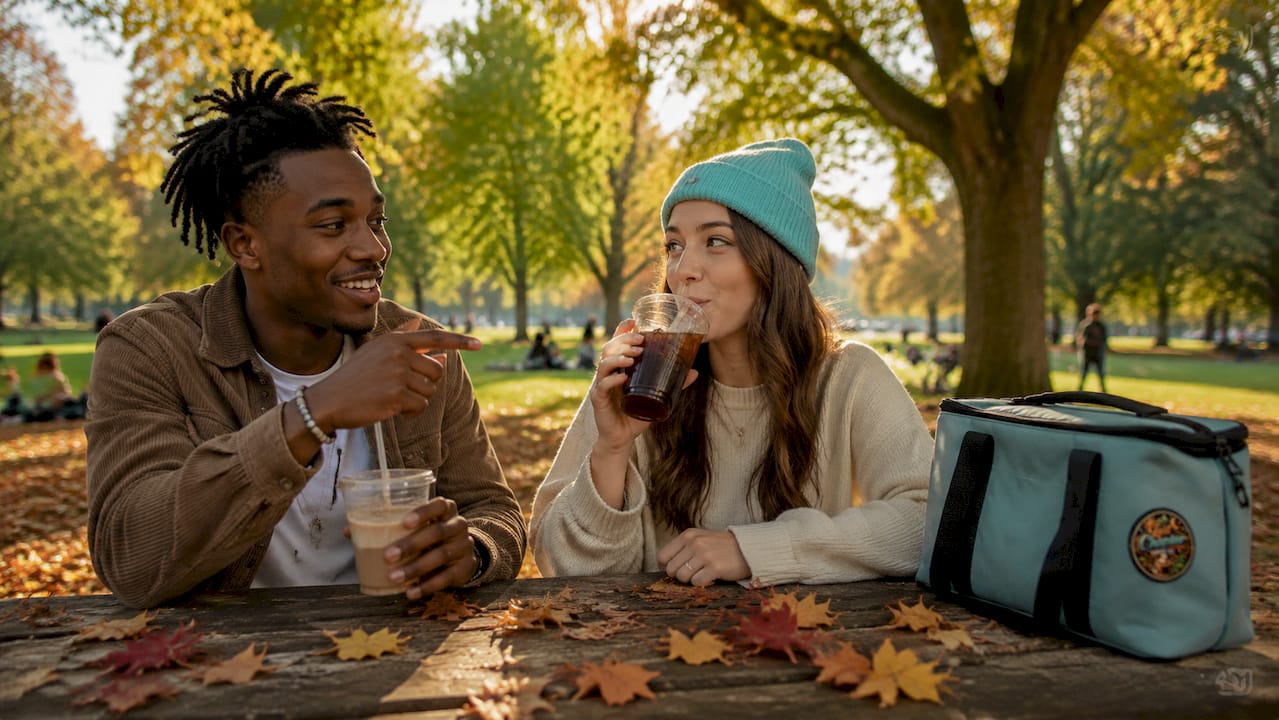
At home, the story is equally compelling. Nestlé has placed a major bet on what industry observers call fourth-wave coffee, defined by four qualities: cold, convenient, customizable, and crafted. Fourth-wave at-home coffee centers on accessible textures and customization using enhancers like cold foam and flavored creams, without requiring complex equipment. This opens specialty coffee experiences to anyone with a refrigerator and a few minutes.
The key formats driving this shift include:
- Premium instant coffee: Replicates café textures without an espresso machine. Lastchaptercoffee’s premium instant coffee fits directly into this format.
- Cold brew concentrates: Ready to dilute or drink straight, with a smoother, less acidic profile than hot-brewed coffee.
- RTD (ready-to-drink) canned and bottled coffee: Growing shelf presence in grocery and convenience retail.
- Cold foam and cream enhancers: Turning a basic iced coffee into a layered, café-style drink at home.
Pro Tip: If you want the fourth-wave experience at home without buying new gear, start with a quality cold brew concentrate and a handheld milk frother. You get the texture and customization of a specialty café drink for a fraction of the cost.
The coffee market is widening beyond espresso to powders, syrups, and concentrates that bypass traditional equipment entirely. For industry professionals, this means the barrier to entry for at-home specialty coffee has dropped significantly, and your product lineup needs to reflect that reality.
How are functional and wellness-driven coffees transforming the market?
Functional coffee is the fastest-growing segment in the category right now. Functional coffee demand grew 44% in mid-2026, driven by consumer interest in mental clarity, protein content, and broader health benefits. That growth rate outpaces almost every other beverage segment.
The ingredients powering this surge are specific and worth knowing:
- Lion’s Mane mushroom: Linked to cognitive support and focus. Now a standard addition in mushroom coffee blends.
- Adaptogens: Herbs like ashwagandha and rhodiola that help the body manage stress.
- Protein-enhanced blends: Collagen or plant-based protein added directly to ground coffee or instant formats.
- Reishi and Chaga mushrooms: Positioned around immune support and anti-inflammatory benefits.
Mushroom-infused blends form a substantial niche in North America, with brands like Four Sigmatic building entire product lines around the concept. Lastchaptercoffee’s mushroom dark roast reflects exactly this trend, pairing functional ingredients with a full-bodied roast profile.
Coffee is no longer just a delivery mechanism for caffeine. Younger consumers treat it as a versatile main ingredient, layering in syrups, powders, and functional additives the same way they would customize a smoothie or a supplement stack.
This shift in perception matters for the industry. Specialty coffee culture is moving away from purism toward embracing customization, especially among consumers under 35. A barista who once resisted flavored syrups now stocks Lion’s Mane powder behind the counter. That is not a compromise of quality. It is a response to what the market actually wants.
For coffee professionals, the practical implication is clear: functional add-ons are not a fad. They are a permanent expansion of what coffee means to a growing segment of your customer base.
What are the emerging flavor trends and alternative coffee-drink options in 2026?
The flavor direction in 2026 moves away from sweetness and toward complexity. Less sweet, more savory profiles using single-origin cocoa and botanical infusions now dominate coffee menus. The sugar-heavy seasonal specials that defined the previous decade are giving way to nuanced bitter, earthy, and neutral notes.
This is not just a niche preference. Major chains are integrating these profiles into their core menus because the data supports the shift. Consumers who grew up with craft beer, natural wine, and fermented foods have trained palates that reward complexity over sweetness.
Pro Tip: If you are building a home coffee rotation for 2026, try a single-origin Ethiopian or Yemeni bean with no added sugar. The natural fruit and floral notes in those origins are exactly the kind of complexity the market is moving toward.
The alternative beverage competition is also intensifying. Global searches for “hojicha latte” surged 173% in Q2 2026, establishing it as a serious competitor to matcha. Hojicha is a roasted Japanese green tea with a warm, toasty, low-caffeine profile that appeals to consumers looking for a coffee alternative without the bitterness.
| Beverage | Flavor Profile | Caffeine Level | 2026 Trend Direction |
|---|---|---|---|
| Espresso-based drinks | Bold, bitter, roasted | High | Stable, shifting to cold formats |
| Matcha latte | Grassy, vegetal, slightly sweet | Medium | Strong, established staple |
| Hojicha latte | Toasty, caramel, mild | Low | Surging, up 173% in searches |
| Botanical coffee infusions | Floral, herbal, complex | Varies | Emerging, growing fast |
| Mushroom coffee | Earthy, umami, full-bodied | Medium | Established niche, expanding |
Lastchaptercoffee carries both hojicha and matcha for consumers who want to explore this alternative spectrum. For industry professionals, the lesson is that the competition for the morning beverage occasion now extends well beyond coffee itself.
How is sustainability redefining coffee production and supply chains in 2026?
Sustainability in coffee has moved past marketing language. The standard now is verified, traceable, and legally enforceable. The EU Deforestation Regulation, known as EUDR, takes full effect in december 2026. It requires GPS-verified sourcing data confirming that coffee exports to Europe come from deforestation-free supply chains. Satellite data validation is mandatory. Vague “sustainably sourced” claims no longer satisfy compliance requirements.
This regulation has direct implications for every exporter selling into European markets. The supply chain documentation burden is significant, and smaller producers without digital infrastructure face real barriers to compliance.
The deeper sustainability shift involves how farms are managed, not just certified. Regenerative agriculture combined with digital traceability is becoming the new standard for environmental and economic sustainability in coffee production. Regenerative practices go beyond organic certification to actively restore soil health, increase biodiversity, and sequester carbon.
Key elements of regenerative coffee farming include:
- Agroforestry systems: Shade-grown coffee under a canopy of native trees that support biodiversity and carbon storage.
- GPS-backed farm mapping: Digital records of land use that satisfy EUDR compliance requirements.
- Lifecycle assessments: Measuring the full environmental impact of a farm from soil to export.
- Smallholder economic integration: Ensuring that sustainability requirements do not price small farmers out of global markets.
Climate-smart farming requires active biodiversity planning. Simply planting trees is not enough. Agroforestry designs must be intentional, selecting species that promote carbon sequestration and habitat preservation together. The Specialty Coffee Association has published guidance on this, and leading roasters are beginning to require it from their sourcing partners.
Balancing economic viability with climate-smart practices in smallholder systems requires integrating lifecycle assessments and multi-objective optimization models. That sounds technical, but the practical outcome is straightforward: farms that adopt regenerative practices with proper support become more resilient and more profitable over time, not less.
For consumers, the ask is simple. Buy from roasters who can tell you exactly where their coffee came from, who grew it, and how the land was managed. That level of transparency is now achievable, and it is the only version of sustainability that holds up to scrutiny.
Key takeaways
The defining coffee trends in 2026 combine functional innovation, cold format dominance, flavor complexity, and verified sustainability into a single, coherent shift in how the world drinks and produces coffee.
| Point | Details |
|---|---|
| Cold coffee leads revenue | Cold formats drive nearly 70% of US coffee shop revenue, making year-round cold offerings non-negotiable. |
| Functional ingredients are permanent | A 44% growth in functional coffee demand signals that wellness additions like Lion’s Mane and adaptogens are a lasting category shift. |
| Flavor is moving toward complexity | Less sweet, more botanical and savory profiles now dominate menus, replacing sugar-heavy seasonal specials. |
| Sustainability requires verification | EUDR compliance demands GPS-backed traceability, making vague green claims legally and commercially insufficient. |
| At-home fourth-wave coffee is accessible | Premium instant formats and cold brew concentrates bring café-quality customization to any kitchen without specialized equipment. |
What I think the industry is still getting wrong about 2026 trends
I have watched the coffee industry chase trends for years. The pattern is always the same: a format or ingredient breaks through, brands rush to slap it on a label, and the consumer ends up with a mediocre product wrapped in compelling marketing.
The functional coffee surge is real. The 44% growth number is not hype. But I see too many brands adding a token dose of Lion’s Mane to a mediocre base coffee and calling it a wellness product. The functional ingredient only works if the coffee underneath it is worth drinking. Quality and function are not competing priorities. They are the same priority.
The sustainability conversation has the same problem. EUDR compliance is forcing transparency, which is genuinely good. But I worry that the industry will treat GPS-verified traceability as a checkbox rather than a starting point. Knowing where your coffee came from is the floor, not the ceiling. The ceiling is actively investing in the regenerative farming systems that make those origins worth protecting.
For consumers, my advice is to resist the urge to chase every new format or ingredient. Find one or two roasters who can tell you a real story about their sourcing, and go deep with them. The African Kahawa Blend from Lastchaptercoffee is a good example of what that looks like in practice: a specific origin, a specific flavor profile, and a supply chain worth asking questions about.
For industry professionals, the opportunity in 2026 is not in being first to every trend. It is in being the most honest voice in the room about what those trends actually mean.
— Rogee
Explore Lastchaptercoffee’s lineup built for 2026 trends
The trends shaping 2026 are not abstract. They show up in specific products you can order today.
Lastchaptercoffee carries a lineup that maps directly to where the market is heading. The African Kahawa Blend delivers the single-origin complexity and traceable sourcing that define the new sustainability standard. The Coffee with Mushrooms Dark Roast puts functional wellness ingredients into a full-bodied roast that does not sacrifice flavor for function. For the fourth-wave at-home experience, the premium instant coffee and cold brew options deliver café-quality results without the equipment. Free US shipping on every order makes exploring the full range easy.
FAQ
What is the biggest coffee trend in 2026?
Cold coffee formats are the dominant trend, accounting for nearly 70% of US coffee shop revenue. Functional wellness ingredients like Lion’s Mane mushroom and adaptogens represent the fastest-growing product segment.
What is fourth-wave coffee?
Fourth-wave coffee refers to the at-home movement defined by cold, convenient, customizable, and crafted experiences. Nestlé and specialty brands are driving this with premium instant formats and cold brew enhancers that replicate café textures without complex equipment.
How does EUDR affect coffee consumers?
The EU Deforestation Regulation requires GPS-verified, deforestation-free sourcing data for all coffee exported to Europe by december 2026. For consumers, this means greater supply chain transparency and more accountability from the brands they buy.
Why is hojicha competing with matcha in 2026?
Global searches for “hojicha latte” surged 173% in Q2 2026 because its toasty, low-caffeine profile appeals to consumers seeking a coffee alternative with less bitterness than matcha. Both beverages now occupy permanent spots on specialty café menus.
Are functional coffee ingredients actually effective?
The market growth is real: functional coffee demand rose 44% in mid-2026. The effectiveness of specific ingredients like Lion’s Mane depends on dosage and product quality, so buying from roasters who disclose their ingredient sourcing and concentrations is the most reliable approach.


