

A coffee ritual is defined as a purposeful, repeated practice of preparing and consuming coffee that fosters mindfulness, community, and well-being beyond simple caffeine intake. The role of coffee in daily rituals spans every inhabited continent, from the multi-hour Ethiopian coffee ceremony to a quiet American morning pour-over before the workday begins. Science now confirms what cultures have practiced for centuries: when coffee is consumed intentionally and at the right time, it delivers measurable benefits to mood, cognition, and heart health. This article breaks down the cultural roots, psychological science, and practical steps behind building a coffee ritual that genuinely improves your day.
What makes coffee a meaningful part of daily routines around the world?
Coffee is more than a beverage in most cultures. It is a social contract, a signal of welcome, and a marker of time. Understanding why coffee holds this position globally reveals something important about human behavior: we attach meaning to repeated sensory experiences, and coffee delivers those experiences reliably.
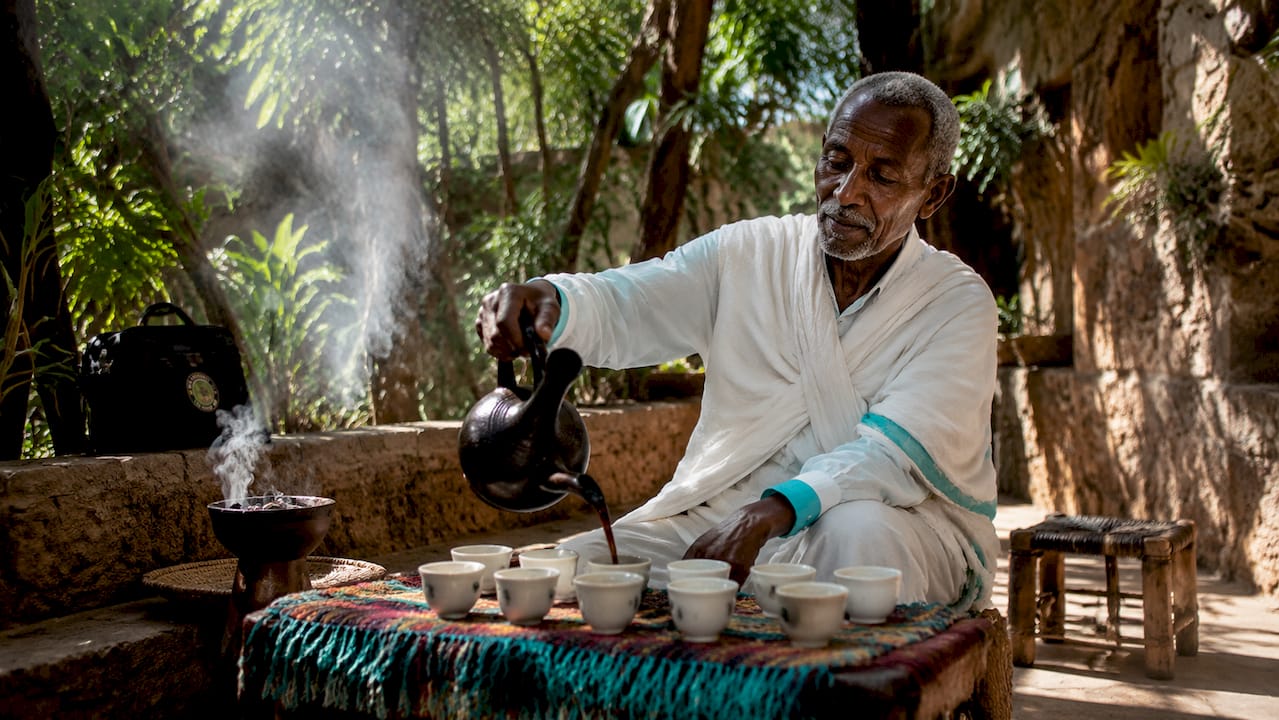
The Ethiopian coffee ceremony is the clearest example. Ethiopian ceremonies last 2–3 hours and involve multiple brewing rounds, the burning of frankincense, and a shared space that demands full presence from participants. That duration is not inefficiency. It is the point. The ceremony creates sustained social presence that a five-minute coffee break simply cannot replicate.
Across cultures, coffee functions as a symbol of hospitality and belonging. In Turkey, a host who offers coffee signals respect and sincerity. In Italy, the espresso bar is a neighborhood institution where standing at the counter is a daily social ritual as much as a caffeine delivery system. In Scandinavia, fika is a scheduled coffee break built into the workday, recognized as a cultural practice that reduces stress and strengthens workplace relationships.
These rituals share a common function: they anchor daily life to specific moments of connection and reflection. They mark transitions, from morning to work, from work to rest, from solitude to community.
| Culture | Ritual Name | Duration | Primary Purpose | Social Context |
|---|---|---|---|---|
| Ethiopia | Coffee Ceremony | 2–3 hours | Community bonding, hospitality | Family and neighbors |
| Turkey | Turkish Coffee | 20–30 minutes | Respect, fortune-telling tradition | Guests and family |
| Italy | Espresso at the bar | 5–10 minutes | Social connection, daily rhythm | Neighborhood community |
| Scandinavia | Fika | 15–30 minutes | Stress reduction, workplace bonding | Colleagues and friends |
| Japan | Kissaten culture | 30–60 minutes | Quiet reflection, craftsmanship | Solo or small groups |
Each of these traditions treats coffee preparation as ritual, not routine. The difference is intention. A routine is automatic. A ritual carries meaning.
What are the psychological and physiological effects of daily coffee habits?
The science behind coffee’s benefits is specific and well-documented. Knowing the mechanisms helps you build a practice that captures the benefits without the drawbacks.
Heart health and cognitive protection
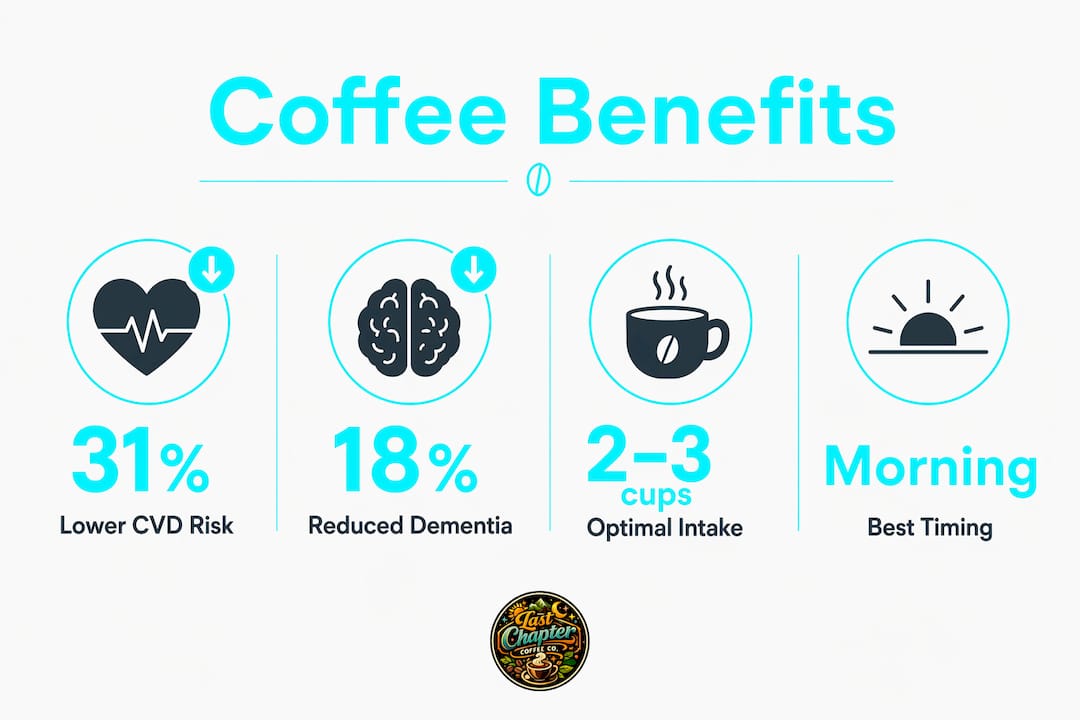
Morning coffee drinkers are 31% less likely to die of cardiovascular disease compared to non-coffee drinkers, based on data from nearly 41,000 adults. That benefit applies specifically to morning consumption, not all-day drinking. Timing matters as much as quantity.
Cognitive protection follows a similar pattern. Moderate intake of 2–3 cups daily is linked to an 18% lower risk of developing dementia, drawn from a study of over 130,000 participants. That figure represents a meaningful reduction in one of the most feared conditions of aging.
Mood, motivation, and circadian rhythm
Drinking coffee within 2–3 hours of waking measurably increases mood and motivation while reinforcing circadian rhythms. This is the window where coffee and mindfulness intersect most powerfully. You are not just waking up. You are setting the emotional tone for the day.
Key benefits and precautions
- Cardiovascular protection: Strongest when coffee is consumed in the morning hours only
- Cognitive defense: 2–3 cups daily associated with lower dementia risk across large study populations
- Mood and motivation boost: Greatest within the first 2–3 hours after waking
- Energy and focus: Daily coffee consumption boosts energy and focus but requires moderation to avoid jitters and anxiety
- Caffeine tolerance: Excessive intake reduces effectiveness over time and can trigger anxiety in sensitive individuals
- Individual variation: Nutritionists emphasize that personalized tolerance determines whether coffee is a benefit or a stressor
Pro Tip: If you notice afternoon anxiety or disrupted sleep, cut your last cup to before noon. Most people experience caffeine’s half-life for 5–6 hours, meaning a 2 p.m. coffee still affects sleep quality at 8 p.m.
How can you build an intentional coffee ritual at home?
Building a coffee ritual that supports your well-being does not require expensive equipment or an hour of free time. It requires consistency, a defined space, and a few deliberate choices.
Start with a dedicated coffee space
A dedicated coffee area reduces decision fatigue and transforms brewing into a comforting, predictable part of the morning. When your grinder, filters, and beans live in one organized spot, your brain stops treating coffee preparation as a task. It becomes a cue. The act of walking to that space signals the start of a meaningful transition. Explore the right home brewing essentials to set up your space without overcomplicating it.
An ideal morning coffee ritual: step by step
- Wake and wait. Give yourself 30–60 minutes before your first cup. Waiting after waking maximizes alertness by allowing your natural cortisol peak to do its work before caffeine enters the picture.
- Prepare your space intentionally. Measure your beans, fill your kettle, and set out your cup before anything else. This small act of preparation signals that the next few minutes belong to you.
- Engage your senses during brewing. Notice the sound of the grinder, the bloom of the grounds, the color shift in the cup. These sensory checkpoints are where the ritual lives.
- Pair your coffee with a quiet habit. Sit with your cup before checking your phone. Read a page, write three sentences in a journal, or simply look out a window. The pairing builds the ritual’s emotional weight over time.
- Drink without distraction for at least five minutes. This is the mindfulness component. Five minutes of focused sensory attention resets the nervous system and sets a calm baseline for the hours ahead.
This sequence takes under 20 minutes. The consistency of repeating it daily is what converts a morning habit into a genuine ritual. The importance of coffee rituals lies not in the complexity of the steps but in the reliability of the practice.
How does the sensory experience of coffee create calm and presence?
The calming effect of holding your first cup of coffee in the morning is not entirely about caffeine. The nervous system recognizes familiar sensory patterns and responds with physiological calm before a single molecule of caffeine reaches the brain. Warmth in the hands, the specific aroma of your preferred roast, the weight of the cup: these are all signals your body has learned to associate with safety and transition.
This is why the same coffee tastes better at home than in a rushed airport terminal. The sensory context is part of the experience. Strip away the familiar environment and the ritual loses its grounding function.
“The tactile and olfactory cues of coffee trigger the nervous system’s relaxation response through repeated sensory patterns, distinct from caffeine’s stimulant action.” — Neurological basis of coffee ritual comfort
Savoring coffee also creates a natural pause for gratitude and reflection. When you slow down enough to notice the flavor notes in a well-roasted bean, you are practicing a form of attention that carries over into the rest of the day. Ethiopian ceremony participants report this quality of presence explicitly. The ceremony is designed to make rushing impossible.
The social aspects of coffee amplify this effect. Sharing a cup with another person, whether a partner at home or a colleague at the office, activates the same nervous system pathways as other bonding behaviors. The ritual becomes a shared anchor, not just a personal one.
Key takeaways
Coffee rituals deliver the most value when they are intentional, timed correctly, and grounded in sensory presence rather than speed or convenience.
| Point | Details |
|---|---|
| Timing determines benefit | Drink coffee within 2–3 hours of waking, waiting 30–60 minutes after rising for peak alertness. |
| Cultural roots run deep | Traditions from Ethiopia, Turkey, Italy, and Scandinavia treat coffee as a social and mindfulness practice, not just a stimulant. |
| Science supports the ritual | Morning coffee is linked to 31% lower cardiovascular mortality and an 18% reduced dementia risk at 2–3 cups daily. |
| Sensory cues create calm | Warmth, aroma, and familiar movements trigger nervous system calm independent of caffeine’s chemical effects. |
| Dedicated space reduces friction | A fixed coffee station removes decision fatigue and reinforces the ritual’s consistency and emotional reward. |
Why i think most people are missing the point of their morning coffee
Most people treat their morning coffee as a delivery mechanism. Get the caffeine in, get moving, get on with it. I spent years doing exactly that, and I was leaving most of the value on the table.
The shift happened when I started paying attention to what the Ethiopian coffee ceremony actually teaches. It is not about the coffee itself. It is about the refusal to rush. When you commit to a 2–3 hour ceremony, you are making a statement that presence matters more than productivity in that moment. That philosophy does not require 2–3 hours. It requires five minutes of genuine attention.
What I have found is that the sensory ritual, the specific grind, the pour, the first inhale over the cup, does more for my mental state than the caffeine does. The caffeine is a bonus. The ritual is the point.
I also think the wellness world undersells the social aspects of coffee. Sharing a cup with someone, without screens, without an agenda, is one of the most underrated relationship practices available to anyone. It costs nothing and builds more connection than most scheduled activities.
My honest recommendation: pick one element of your coffee preparation and do it slowly and deliberately for two weeks. Just one element. You will notice the difference faster than you expect.
— Rogee
Start your ritual with Lastchaptercoffee
If you are ready to make your daily coffee habit something worth looking forward to, the blend you choose matters more than most people realize.
Lastchaptercoffee’s African Kahawa Blend is inspired directly by traditional African coffee ceremonies, bringing the depth and character of those cultural traditions into your morning cup. For days when your ritual needs to travel with you, the Instant Coffee option keeps your practice intact without sacrificing quality. Lastchaptercoffee ships free across the US with fast, automated fulfillment, so your ritual never runs dry. Browse the full collection of artisan blends and find the one that fits the ritual you are building.
FAQ
What is the role of coffee in daily rituals?
Coffee functions as a mindful anchor in daily life, marking transitions, fostering social connection, and supporting mood and cognitive performance through intentional preparation and consumption.
When is the best time to drink coffee in the morning?
Waiting 30–60 minutes after waking before your first cup allows natural cortisol to peak, then drinking within 2–3 hours of waking maximizes alertness and mood benefits.
How many cups of coffee per day is considered healthy?
2–3 cups of caffeinated coffee daily is linked to lower dementia risk and better cognitive performance, though individual caffeine tolerance determines the right amount for each person.
What makes the ethiopian coffee ceremony significant?
The Ethiopian ceremony lasts 2–3 hours and involves multiple brewing rounds and frankincense, functioning as a sustained social ritual that builds community presence and connection rather than simply delivering caffeine.
Can a coffee ritual reduce stress?
Yes. A dedicated coffee routine reduces decision fatigue and the familiar sensory patterns of brewing trigger a physiological calm response in the nervous system, independent of caffeine’s stimulant effects.


