

Quality coffee is defined by a combination of freshness, aroma, bean uniformity, ethical sourcing, and roasting precision. These signs of quality coffee are not abstract. They are sensory and physical cues you can evaluate before your first sip. Roasters like Lastchaptercoffee build their entire process around these indicators, from sourcing high-quality coffee beans to delivering them within the optimal freshness window. Understanding what makes coffee premium gives you the power to choose better beans, brew with confidence, and taste the difference every single morning.
1. What are the signs of quality coffee in freshness?
Freshness is the single most important indicator of coffee quality. The 40 major aromatic compounds in coffee dissipate within 2 to 3 weeks at room temperature. That means a bag sitting on a shelf for a month has already lost much of what made it worth buying.
The optimal consumption window is 7–21 days after roasting. Dark roasts off-gas CO2 more quickly, which slightly shortens their shelf life compared to lighter roasts. Always check the roast date on the packaging, not the “best by” date, which is a far less useful number.
Key freshness indicators to look for on any bag:
- A printed roast date (not just a best-by date)
- A one-way degassing valve on the bag, which lets CO2 escape without letting oxygen in
- Airtight, resealable packaging that protects beans from moisture and light
- No stale or cardboard smell when you open the bag
Pro Tip: Freezing coffee works, but only if the bag is completely airtight. Warm sealed beans to room temperature before opening to prevent condensation from staling the grounds.
2. How aroma signals the quality of coffee
Aroma is the first sensory cue you get from any coffee, and it tells you almost everything. A rich, inviting aroma with floral, fruity, chocolatey, or nutty notes signals quality before you ever taste a drop. A flat, papery, or overly burnt smell signals the opposite.
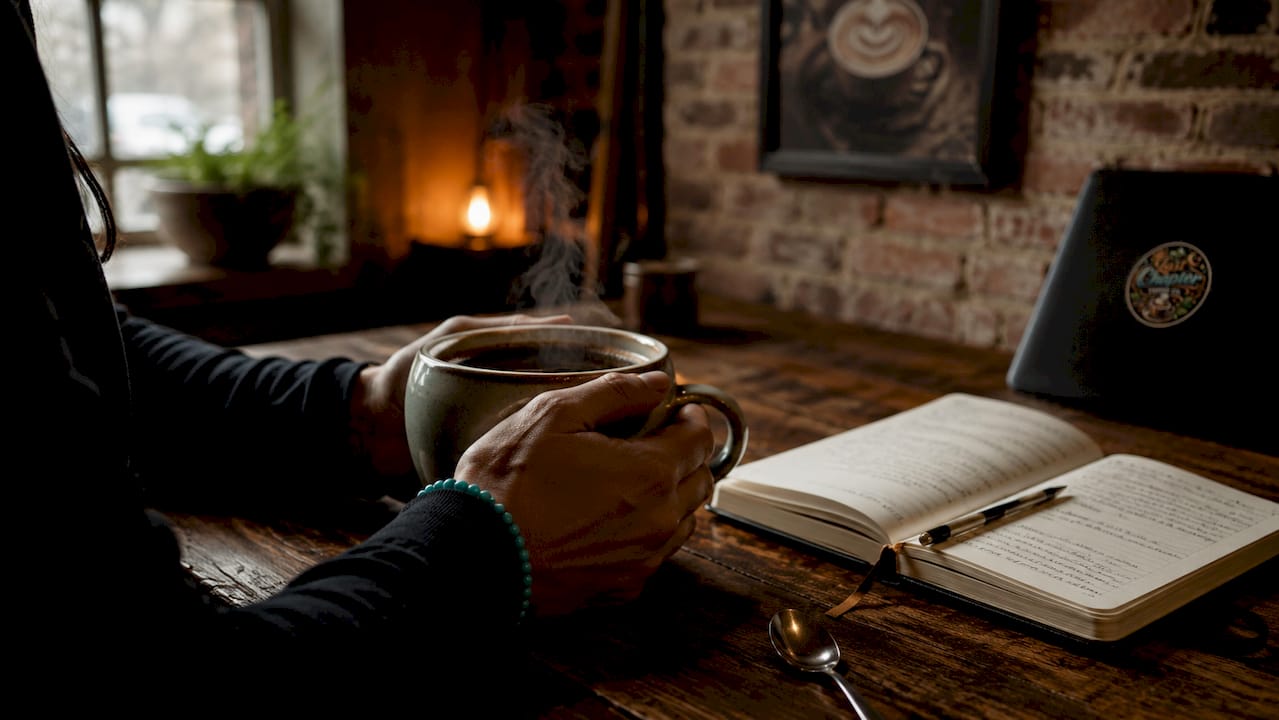
The best coffee tasting notes always begin in the nose. Aroma compounds are volatile, meaning they evaporate quickly. This is why freshly ground coffee smells dramatically more intense than pre-ground coffee that has been sitting in a bag for weeks.
Coffee aroma characteristics to recognize:
- Floral: jasmine, rose, or lavender notes, common in Ethiopian light roasts
- Fruity: berry, citrus, or stone fruit, typical of washed African coffees
- Chocolatey: dark cocoa or milk chocolate, often found in Brazilian and Colombian beans
- Nutty: almond or hazelnut, common in medium roasts from Central America
- Spicy: cinnamon or clove, present in some natural-processed coffees
“A flat or overly burnt aroma is one of the clearest signs that coffee has been over-roasted or has gone stale. Trust your nose before you trust the label.”
If the aroma is one-dimensional or smells like ash, the coffee will taste the same way. No brewing technique fixes bad aroma at the source.
3. Why bean uniformity and appearance matter
Premium beans look consistent. Uniform size, shape, and color across a batch indicate careful sorting and processing at origin. Inconsistent beans roast unevenly, which means some beans will be under-developed while others are scorched in the same batch.
A natural glossy sheen on roasted beans comes from the oils released during roasting. This sheen is a sign of healthy bean structure and proper roasting. Excessive oiliness, where beans look wet and greasy, often points to an over-roast that has broken down the bean’s cellular structure.
Physical signs of high-quality coffee beans to check:
- No broken or chipped beans, which roast faster and taste bitter
- No quaker beans, which are pale, underdeveloped beans that taste peanutty and flat
- Consistent color across the entire batch
- A light to moderate sheen, not a heavy grease coating
- No visible mold, debris, or foreign material
Specialty-grade coffee, as defined by the Specialty Coffee Association, must score 80 or above on a 100-point scale and contain virtually no defects. That standard starts with how the beans look.
4. Role of ethical sourcing and transparency in quality coffee
Ethical sourcing and quality are directly connected. Roasters who prioritize ethical sourcing typically have deeper control over their supply chain, which gives them better access to specific lots and processing methods. That control translates directly into a better cup.
Transparency is the clearest signal a roaster can give you. When a bag lists the farm name, country of origin, altitude, and processing method, the roaster is telling you they know exactly where that coffee came from. Vague labels like “premium blend” with no origin details tell you the opposite.
How to evaluate sourcing transparency on a coffee bag:
- Look for a named country and region, not just “South America” or “Africa”
- Check for processing method details such as washed, natural, or honey
- Look for farm or cooperative names, which indicate direct or close relationships
- Check if the roaster publishes sourcing stories or producer profiles on their website
- Verify whether the roaster holds certifications like Fair Trade, Rainforest Alliance, or Direct Trade
The Flavored Coffees Sample Pack from Lastchaptercoffee is a good example of how supply chain transparency supports consistent quality across different roast profiles.
5. How roasting precision enhances coffee quality
Roasting is where potential becomes flavor. Roasting unlocks the sweetness, aroma, and structure that exist in raw green beans. Poor roasting blurs those flavors even when the underlying beans are exceptional.
A label that says “premium dark roast” does not guarantee quality. Dark roasting can mask defects, which is why some low-grade commercial coffees are roasted very dark. The roast date matters as much as the roast level.
| Roast level | Flavor profile | Common quality signs |
|---|---|---|
| Light | Bright, fruity, floral | Clear origin character, high acidity |
| Medium | Balanced, sweet, nutty | Good body, caramel notes, clean finish |
| Dark | Bold, bitter, smoky | Minimal origin flavor, oils on surface |
Signs of a well-roasted coffee include an even color across all beans, a clean finish with no harsh bitterness, and a roast date within the freshness window. Signs of poor roasting include scorched or cracked beans, a one-note bitter taste, and excessive oiliness.
Pro Tip: The French Roast from Lastchaptercoffee shows how a dark roast done right still carries structure and sweetness. Compare it to a generic supermarket dark roast and the difference is immediate.
6. How brewing parameters reveal or hide coffee quality
Even the best beans taste mediocre with poor brewing. The 1:17 coffee-to-water ratio is the gold standard across most brew methods. This ratio balances extraction and avoids both weak and overpowering results.
Grinding just before brewing is one of the highest-impact habits you can build. Grinding immediately before brewing preserves CO2 and minimizes oxidation, which keeps flavor complexity intact. Pre-ground coffee loses its edge within 15 to 30 minutes of grinding.
Brewing habits that protect coffee quality:
- Grind fresh, every single time
- Match grind size to your method: coarse for French press, medium for drip, fine for espresso
- Use filtered water between 195°F and 205°F
- Stick to the 1:17 ratio as your baseline, then adjust to taste
- Clean your equipment regularly, since old coffee oils turn rancid and contaminate fresh brews
The Mexico Coffee Pods from Lastchaptercoffee are a practical example of how controlled brewing parameters are built into the format, removing guesswork from the ratio and grind size.
7. Comparing quality signs: which ones matter most for you?
Not every coffee lover prioritizes the same things. Freshness matters most for flavor-focused drinkers. Ethical sourcing matters most for values-driven buyers. Bean uniformity matters most for espresso enthusiasts, where inconsistency shows up immediately in the shot.
| Quality sign | Best for | Priority level |
|---|---|---|
| Freshness (roast date) | All coffee lovers | High |
| Aroma complexity | Flavor-focused drinkers | High |
| Bean uniformity | Espresso and pour-over fans | Medium-High |
| Ethical sourcing | Values-driven buyers | Medium |
| Roasting precision | Specialty coffee enthusiasts | High |
| Brewing parameters | Home brewers improving technique | Medium |
Beginners should start with freshness and aroma. These two signs are free to evaluate and immediately improve your cup. Budget-conscious coffee lovers should prioritize roast date transparency over premium certifications. Flavor-focused drinkers should invest in a burr grinder and focus on roasting precision and origin details.
Key takeaways
Freshness, aroma, bean uniformity, ethical sourcing, and roasting precision are the five core signs that separate quality coffee from everything else.
| Point | Details |
|---|---|
| Check the roast date first | Consume coffee within 7–21 days of roasting for peak flavor. |
| Trust your nose | A rich, complex aroma signals quality before the first sip. |
| Look at the beans | Uniform size, color, and a light sheen indicate careful processing. |
| Demand sourcing transparency | Origin details and farm names show the roaster knows their supply chain. |
| Brew with precision | Use a 1:17 ratio and grind fresh to let quality beans perform at their best. |
What I’ve learned from years of chasing a better cup
The biggest mistake I see coffee lovers make is spending money on expensive beans and then storing them wrong. A $30 bag of specialty coffee kept in a clear glass jar on a sunny counter goes stale faster than a $12 bag stored in an airtight, opaque container. Freshness is not about price. It is about habits.
The second mistake is trusting labels over senses. “Premium,” “artisan,” and “small-batch” are marketing words. Your nose and your palate are better quality detectors than any label. If the aroma is flat when you open the bag, the coffee will taste flat in the cup. No amount of careful brewing changes that.
The sign I personally weight most heavily is sourcing transparency. When a roaster tells me the farm name, the processing method, and the altitude, I know they paid attention at every step. That attention shows up in the cup. Roasters who cannot tell you where their beans came from are not roasters I trust with my morning.
My practical advice: buy smaller bags more often, grind fresh every time, and spend five seconds smelling the grounds before you brew. Those three habits will do more for your coffee quality than any gear upgrade.
— Rogee
Quality coffee worth brewing at home
Lastchaptercoffee sources and roasts with the same indicators covered in this article: transparent origins, precise roasting, and packaging designed to protect freshness from roaster to your door.
The African Kahawa Blend is a strong starting point if you want to experience what ethical sourcing and roasting precision actually taste like together. The Coffee with Mushrooms Medium Roast offers a different profile with the same commitment to quality at origin. Free US shipping on all orders means you can order a fresh bag and have it at your door before your current bag goes stale. That is the freshness window working in your favor.
FAQ
What is the freshness window for quality coffee?
The optimal window is 7–21 days after roasting. Beyond two weeks at room temperature, aromatic compounds dissipate and flavor becomes flat.
How do I identify quality coffee by smell?
Quality coffee produces a rich, complex aroma with floral, fruity, chocolatey, or nutty notes. A flat, papery, or burnt smell indicates staling or over-roasting.
Does dark roast mean better quality?
No. Dark roasting can mask defects in lower-grade beans. Roast level is a flavor preference, not a quality guarantee.
What coffee-to-water ratio should I use?
The 1:17 ratio is the gold standard for most brew methods. Start there and adjust slightly based on your taste preference.
Why does grinding fresh matter so much?
Grinding immediately before brewing preserves CO2 and slows oxidation. Pre-ground coffee loses its flavor complexity within 15 to 30 minutes of grinding.


