

The washed coffee process, also called wet processing, is defined as the removal of a coffee cherry’s skin, pulp, and mucilage before the bean is dried. This method produces a cup with bright acidity and terroir clarity that no other processing technique can replicate as cleanly. Washed processing is the industry baseline for evaluating coffee quality because it strips away fruit-driven flavor variables and lets the bean’s origin speak for itself. If you have ever tasted a coffee described as “clean,” “crisp,” or “floral,” you were almost certainly drinking a washed coffee.
What is the washed coffee process, step by step?
The washed coffee method begins long before fermentation tanks or drying beds. Every stage builds on the one before it, and a mistake at any point shows up clearly in the cup.
1. Selective cherry picking
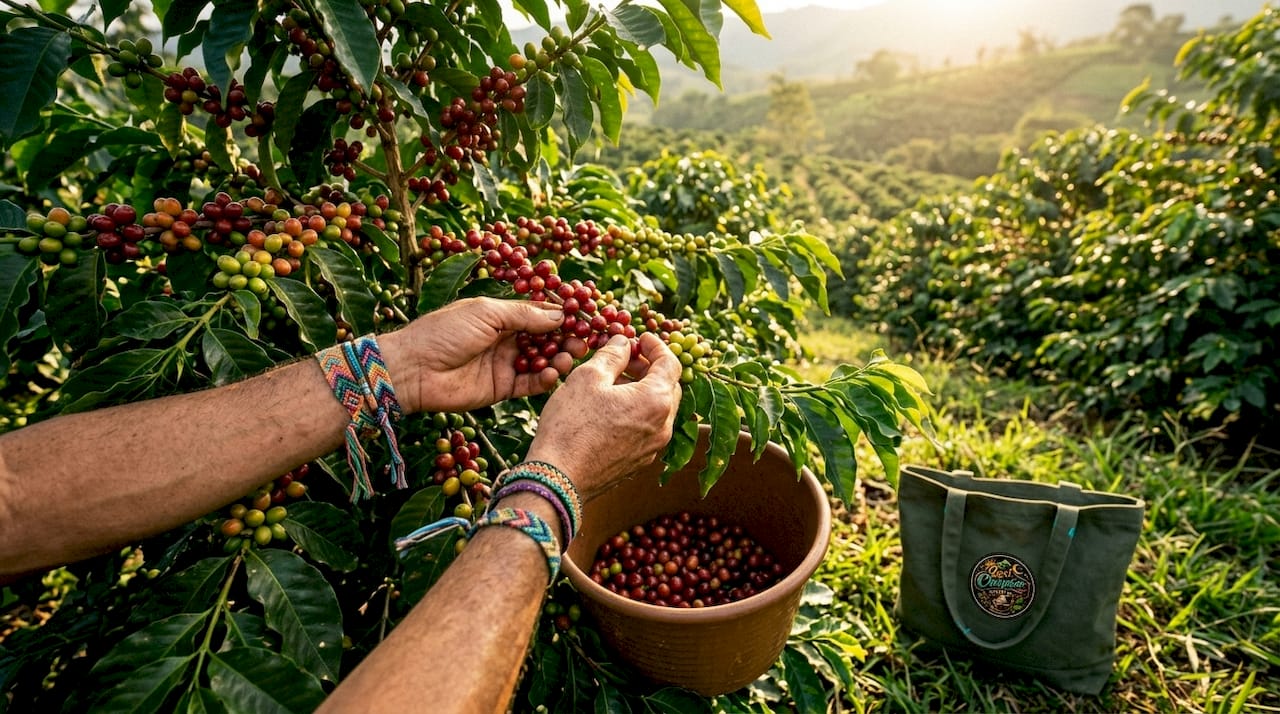
Producers hand-pick only ripe red or yellow cherries. Ripe cherries carry sugar levels in the Brix range of 18–22%, which signals peak fermentable sugars and optimal bean density. Underripe or overripe cherries introduce inconsistency that no amount of careful processing can fix later.
2. Mechanical depulping
A depulping machine removes the cherry’s outer skin and most of the pulp within hours of picking. Speed matters here. Delays in depulping trigger spontaneous, uncontrolled fermentation before the official fermentation stage even begins. That uncontrolled fermentation creates off-flavors and physical bean defects that are impossible to reverse.
3. Controlled fermentation
After depulping, a sticky layer called mucilage still coats the bean. Producers submerge the beans in water tanks or leave them in dry fermentation channels. Fermentation lasts 12–36 hours, depending on ambient temperature, altitude, and the flavor profile the producer wants. Warmer climates speed up fermentation; cooler highland farms slow it down. Producers monitor the tanks closely because even a few extra hours can push the coffee from bright and complex to sour and fermented.
4. Washing
Once fermentation is complete, workers flush the beans with large volumes of clean water. This washing stage removes all remaining mucilage and stops fermentation immediately. The beans emerge clean, dense, and ready for drying.
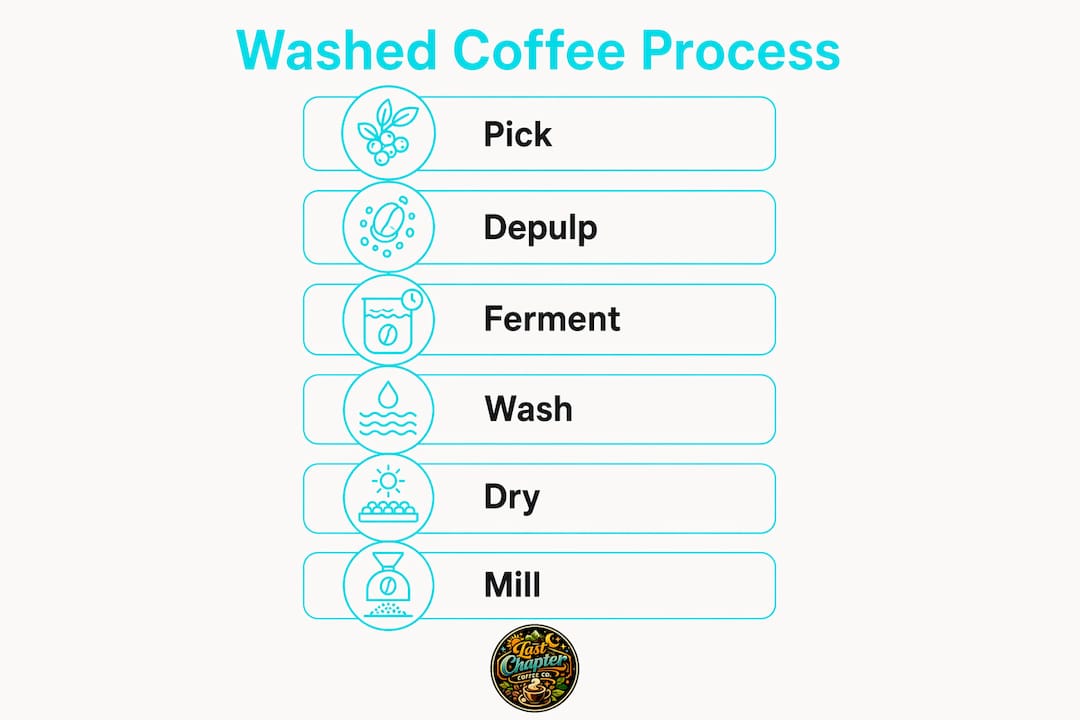
5. Drying
Drying methods include sun patios, raised beds, and mechanical dryers, with the process typically taking 7–14 days. Raised beds allow airflow under the beans, which produces more even drying than flat patios. Mechanical dryers speed up the timeline but require careful temperature control to avoid heat damage. The goal is moisture stabilization at 10–12% moisture content, the standard for export-quality coffee.
6. Milling and grading
Dried beans go through a dry mill to remove the parchment layer. Grade 1 washed coffee allows no more than 3 full defects per 300g sample. That strict standard reflects how much the washed method depends on precision at every prior stage.
Pro Tip: Never let picked cherries sit more than 8–12 hours before depulping. Even a short delay in a warm climate can start spontaneous fermentation and ruin an entire batch before processing officially begins.
How does washed processing affect coffee flavor?
Washed processing removes what industry experts call “processing noise.” That phrase means the fruit sugars, fermentation byproducts, and drying variables that other methods add to the cup. When those variables are gone, what remains is the pure expression of the coffee’s variety and growing region.
The flavor profile of a washed coffee is typically bright, clean, and structured. You taste citrus, floral, or stone fruit notes that come from the bean itself, not from the fruit drying around it. Acidity is pronounced and lively. Body tends to be lighter than natural-processed coffees. This clarity makes washed coffees the preferred choice for specialty roasters who want to showcase a specific farm or region.
“Washed processing is the baseline. If you want to understand what a coffee’s origin actually tastes like, you start with a washed lot.” — Industry consensus among specialty coffee roasters
The table below shows how the washed method compares to other common coffee processing techniques.
| Processing method | Mucilage removed? | Flavor profile | Body | Acidity |
|---|---|---|---|---|
| Washed (wet) | Yes, fully | Clean, bright, floral, citrus | Light to medium | High |
| Natural (dry) | No | Fruity, wine-like, heavy | Full | Low to medium |
| Honey | Partially | Sweet, balanced, stone fruit | Medium | Medium |
| Wet-hulled | Partially, at high moisture | Earthy, full, low acidity | Full | Low |
Washed coffees are also prized by roasters for their consistent moisture and density. That consistency produces predictable roast profiles, which matters enormously for specialty coffee programs that need to repeat the same cup week after week.
What practical challenges come with washed coffee production?
Washed processing is technically demanding and resource-intensive. Understanding these challenges explains why washed coffees often carry a higher price tag than naturally processed alternatives.
Water use is the biggest sustainability concern. The washed process requires large volumes of clean water, and without proper recycling systems, wet mills can stress local water supplies significantly. Responsible producers invest in closed-loop water recycling and wastewater treatment to reduce their environmental footprint. Sustainability pressures are pushing mills toward cleaner technologies and more efficient water management.
Fermentation control is where most quality failures happen. The key risks include:
- Over-fermentation from leaving beans in tanks too long, producing sour or vinegary flavors
- Under-fermentation from pulling beans too early, leaving mucilage residue that causes uneven drying
- Temperature spikes during fermentation that accelerate microbial activity unpredictably
- Poor hygiene in fermentation tanks that introduces unwanted bacteria
Drying control is equally critical. Uneven drying creates moisture pockets inside bean lots. Those pockets cause mold, off-flavors, and grading failures at the export stage. Producers who use raised beds and turn beans regularly avoid most of these problems.
Pro Tip: When monitoring fermentation, use the “slip test.” Rub a handful of beans between your palms. When the mucilage is fully broken down, the beans feel slippery and squeak slightly. That texture signals the fermentation is complete and washing should begin immediately.
The cost of water infrastructure, skilled labor for monitoring, and the risk of batch losses all factor into the final price of a washed coffee. When you pay more for a washed Ethiopian or Kenyan lot, you are paying for that precision.
How can you identify and brew washed coffee at home?
Recognizing a washed coffee on a bag is straightforward. Look for the words “washed,” “wet process,” or “fully washed” on the label. Origin is also a strong signal. Ethiopia, Kenya, Colombia, and Guatemala produce large volumes of washed coffee, and their flavor profiles reflect it clearly.
Brewing methods that highlight washed coffee’s clarity include:
- Pour-over (Hario V60, Chemex): The slow, controlled extraction pulls out every layer of floral and citrus complexity without muddying the cup.
- Filter drip: A clean, reliable way to taste the coffee’s acidity and terroir without interference from pressure or immersion.
- Espresso: Washed coffees pull bright, structured shots with a clean finish. The African Espresso from Lastchaptercoffee is a strong example of this profile.
- Cold brew: Washed coffees produce a cold brew that is lighter and more tea-like than natural-processed cold brews. The clarity of the bean shines through even at low temperatures.
Storage matters more for washed coffees than many drinkers realize. The bright acidity that defines a washed cup fades faster when beans are exposed to air, heat, or light. Store your washed coffee in an airtight container away from direct sunlight, and brew it within four weeks of the roast date for peak clarity.
Roast level also shapes the experience. Light and medium roasts preserve the floral and citrus notes that washed processing develops. Dark roasts push those notes into the background and bring out chocolate and caramel tones instead. If you want to taste what the washed method actually does, choose a light to medium roast.
Pro Tip: Try the same washed coffee as both a pour-over and an espresso. The contrast reveals how much the brewing method shapes the expression of the bean’s terroir.
Key Takeaways
The washed coffee process is the most reliable method for expressing a coffee’s true origin character, because it removes every fruit and fermentation variable before drying.
| Point | Details |
|---|---|
| Core definition | Washed processing removes skin, pulp, and mucilage before drying the bean. |
| Fermentation window | Controlled fermentation runs 12–36 hours; timing directly shapes flavor and defect risk. |
| Moisture target | Export-grade washed coffee stabilizes at 10–12% moisture for shelf stability and grading. |
| Flavor profile | Expect bright acidity, clean body, and clear terroir expression in the cup. |
| Sustainability trade-off | Large water volumes are required; responsible mills use recycling systems to reduce impact. |
Why the washed process changed how I think about coffee
I spent years chasing bold, fruit-forward naturals before I understood what washed coffees were actually telling me. The first time I cupped a Grade 1 washed Ethiopian Yirgacheffe next to a natural from the same farm, the difference was not subtle. The washed lot tasted like the place it came from. The natural tasted like the process it went through.
That experience shifted how I evaluate coffee entirely. Washed processing is not the “boring” option. It is the honest one. It asks the producer to have confidence in their terroir, because there is nowhere to hide. A poorly grown bean processed naturally can mask its flaws behind fruit sweetness. A poorly grown bean processed washed cannot.
The sustainability challenge is real and worth taking seriously. Water recycling at wet mills is not optional anymore. It is a baseline expectation for any producer selling into specialty markets. I have seen farms in Colombia and Kenya invest heavily in closed-loop systems, and the quality of their lots reflects that discipline.
What excites me most right now is the intersection of controlled fermentation science and washed processing. Producers are experimenting with specific yeast strains and temperature-controlled tanks to develop new flavor dimensions while keeping the clarity that defines the washed method. This is not a departure from tradition. It is precision applied to a process that has always rewarded precision.
If you are new to specialty coffee, start with a washed lot from a single origin. It will teach you more about what coffee can taste like than any blended or heavily processed option.
— Rogee
Washed coffees worth brewing from Lastchaptercoffee
Lastchaptercoffee sources artisan blends that put the washed method’s best qualities front and center.

The African Kahawa Blend is the clearest example in the collection. It delivers the bright acidity, floral notes, and clean finish that washed processing is built to produce. Every order ships free within the US, and fulfillment is fast enough that you can be brewing within days. If you want to taste what a well-executed washed coffee actually does in the cup, this is the place to start. Browse the full collection at Lastchaptercoffee and find the washed lot that fits your brewing setup.
FAQ
What is the washed coffee process in simple terms?
The washed coffee process removes the cherry’s skin, pulp, and mucilage before the bean is dried. This produces a clean, bright cup that clearly reflects the coffee’s growing region.
How long does washed coffee fermentation take?
Fermentation in the washed method typically lasts 12–36 hours, depending on climate and the flavor profile the producer targets.
What does washed coffee taste like compared to natural?
Washed coffees taste clean, bright, and acidic with floral or citrus notes. Natural coffees taste fruitier, heavier, and wine-like because the bean dries inside the fruit.
Why does washed coffee cost more?
Washed processing requires significant water infrastructure, skilled labor for fermentation monitoring, and strict quality control at every stage. Those inputs raise production costs compared to simpler dry processing methods.
What brewing method works best for washed coffee?
Pour-over and filter drip methods best highlight washed coffee’s clarity and bright acidity. Light to medium roasts preserve the terroir-driven flavor notes that the washed method develops.


