

Premium coffee is defined by superior bean quality, precise roasting, and freshness preservation that commodity coffee cannot match. If you’ve ever wondered why your morning cup tastes flat or forgettable, the answer almost always comes down to sourcing and timing. Choosing quality coffee means understanding what separates a bag roasted last week from one sitting on a warehouse shelf for months. This guide breaks down the science, the flavor differences, and the practical steps that make gourmet coffee worth every cent.
Why choose premium coffee over regular options
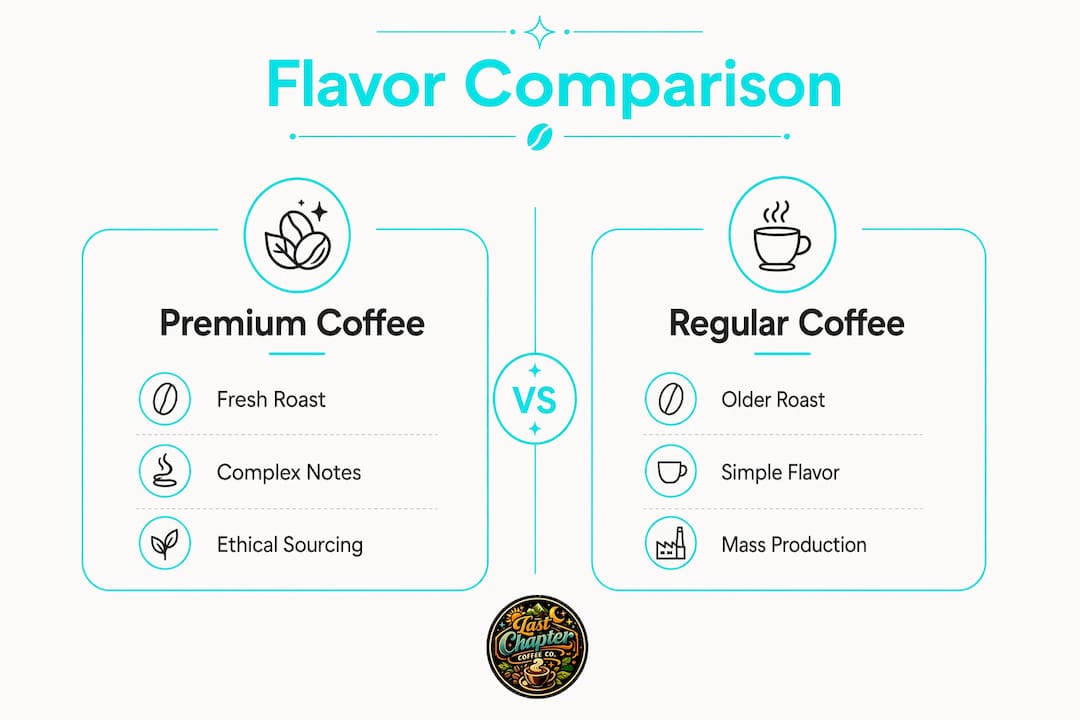
The core reason to choose premium coffee is flavor complexity you simply cannot get from commodity beans. Specialty coffee comes from higher altitudes, hand-picked harvests, and controlled processing methods that produce cleaner, more layered tastes. Regular coffee skips most of those steps to hit a lower price point. The result is a cup that tastes one-dimensional at best and bitter at worst.
Premium coffee also carries an ethical weight. Better farming and smaller batch roasting mean producers are paid fairly and growing conditions are protected over time. You’re not just buying a better cup. You’re supporting a supply chain that actually cares about the product at every stage.
The advantages of gourmet coffee show up immediately in the cup. Brightness, sweetness, and nuanced finish notes are present in fresh specialty beans and absent in most grocery store options. That difference is not subjective. It’s chemical, and the next section explains exactly why.

How freshness shapes every sip
Freshness is the single biggest variable in coffee flavor, and most consumers never think about it. Premium coffee tastes best in a 5–21 day window after roasting, when CO2 degassing is active and aromatic compounds are still intact. After roughly 30 days, flavor dulls noticeably even if the coffee is technically safe to drink.
The chemistry behind this is straightforward. Oxygen exposure causes oxidation that destroys volatile aromatic compounds, stripping away the brightness and sweetness that make a great cup great. What’s left tastes flat, papery, or vaguely stale. This is why premium roasters print roast dates on their bags rather than vague best-by dates.
Best-by dates can stretch up to a year, but flavor declines measurably long before that point. A roast date is the only reliable freshness signal. If a bag doesn’t show one, that’s a red flag worth taking seriously.
Packaging with one-way valves and clearly printed roast dates is a practical quality signal, not just marketing. The valve lets CO2 escape without letting oxygen in, which extends the peak flavor period significantly. Premium brands invest in this packaging because it protects the product they worked hard to create.
Flavor quality over time: premium vs. regular coffee
| Time After Roast | Premium Coffee Flavor | Regular Coffee Flavor |
|---|---|---|
| 0–4 days | CO2 still releasing, slightly underdeveloped | Typically already weeks old at purchase |
| 5–21 days | Peak brightness, sweetness, and complexity | Flat, muted, minimal aroma |
| 22–45 days | Slight decline but still flavorful | Noticeably stale, bitter edges |
| 45+ days | Flavor fading, still drinkable | Stale, one-dimensional, often harsh |
Pro Tip: Store your beans in an airtight container away from light and heat. Never refrigerate whole beans. The freezer works only if you seal them completely and don’t repeatedly thaw and refreeze.
What makes premium coffee’s flavor profile unique
Flavor complexity in premium coffee is not about “more flavor.” It’s about preserving specific volatile odor-active compounds that create distinct sensory layers. These compounds are fragile. They degrade with heat, oxygen, and time. Premium roasters protect them through careful roasting control and fast delivery to the consumer.
Single-origin sourcing adds another dimension. When beans come from one farm or region, the flavor reflects that specific terroir, the soil, altitude, and climate of that place. Blends can be excellent too, but single-origin coffees let you taste somewhere specific. That specificity is one of the clearest advantages of gourmet coffee over mass-produced options.
Common flavor notes found in premium coffees
- Fruity: Blueberry, cherry, citrus, and stone fruit notes common in Ethiopian and Kenyan single-origins
- Floral: Jasmine, rose, and lavender tones found in light-roasted African coffees
- Chocolate: Dark chocolate and cocoa depth typical of Central and South American beans
- Caramel and brown sugar: Sweet, rounded sweetness from medium roasts with good development
- Spice: Cardamom, cinnamon, and clove notes often found in Indonesian and Yemen coffees
- Nutty: Almond, hazelnut, and walnut tones common in Brazilian and Colombian medium roasts
Premium coffee with this kind of flavor range needs less masking. You don’t need to load it with cream and sugar to make it palatable. The bean does the work. That’s a meaningful quality distinction, and it’s one of the best reasons for premium coffee that rarely gets mentioned.
Premium coffee vs. regular coffee: a direct comparison
The differences between premium and regular coffee show up at every stage of production. Premium coffee starts with careful sourcing from ideal growing conditions, often at high altitude with hand-picking and controlled processing. Regular commodity coffee prioritizes volume and consistency at the lowest cost, which means machine harvesting, mixed ripeness, and bulk storage.
| Quality Factor | Premium Coffee | Regular Coffee |
|---|---|---|
| Bean sourcing | Single-origin or traceable blends | Mixed origins, commodity grade |
| Roast date transparency | Printed on bag, typically within weeks | Often absent or replaced by best-by date |
| Packaging | One-way valve, airtight seal | Standard sealed bag, minimal protection |
| Flavor complexity | Bright, layered, nuanced | Flat, bitter, one-dimensional |
| Ethical sourcing | Direct trade or certified fair trade | Conventional commodity supply chain |
| Price per cup | Higher, reflecting quality and care | Lower, reflecting volume and shortcuts |
The taste difference is not subtle once you’ve experienced both side by side. A fresh Ethiopian light roast from a specialty roaster tastes like a different beverage entirely compared to a supermarket blend. The brightness, the clean finish, and the distinct fruit notes are simply not present in commodity coffee.
Pro Tip: When reading a coffee label, look for three things: a roast date within the last three weeks, a named origin or farm, and a one-way valve on the bag. All three together signal a roaster who takes freshness seriously.
How to brew premium coffee for maximum flavor
Getting the most from quality beans requires a few deliberate habits. The beans are only half the equation. How you handle and brew them determines whether that complexity actually reaches your cup.
- Buy by roast date, not price. Look for beans roasted within the last 1–3 weeks. Avoid anything without a roast date printed on the bag.
- Grind right before brewing. Grinding 60 minutes before brewing can cause up to 84% loss of key aroma compounds. A burr grinder used immediately before brewing preserves far more flavor than pre-ground coffee.
- Store beans properly. Use an airtight container, keep it at room temperature, and away from direct sunlight. Check out these home brewing essentials for storage tools worth owning.
- Brew in smaller batches. Aroma compounds degrade rapidly after brewing. Serving coffee within 60 minutes of brewing preserves the volatile aromas that make premium coffee worth drinking.
- Use filtered water. Tap water with high mineral content or chlorine taste interferes with delicate flavor notes. Filtered water lets the bean’s character come through cleanly.
- Match your brew method to the roast. Light roasts shine with pour-over methods like Chemex or Hario V60. Dark roasts hold up well in French press or espresso. The French Roast from Lastchaptercoffee, for example, is built for full-immersion brewing.
Key takeaways
Premium coffee delivers superior flavor because it preserves volatile aromatic compounds through careful sourcing, precise roasting, and freshness-focused handling that regular coffee skips entirely.
| Point | Details |
|---|---|
| Freshness window matters | Buy beans roasted within 5–21 days for peak flavor and aroma. |
| Roast date beats best-by date | A printed roast date is the only reliable signal of true freshness. |
| Grind right before brewing | Grinding just before use prevents up to 84% aroma loss from oxidation. |
| Flavor complexity is chemical | Premium coffee preserves specific odor-active compounds that create layered taste. |
| Ethical sourcing improves quality | Direct trade and small-batch roasting produce better beans and fairer outcomes. |
The freshness habit nobody talks about
I’ve been drinking specialty coffee long enough to know that most people buy premium beans and then undo all the quality at home. They grind a week’s worth on Sunday, store it in the original bag folded over with a clip, and wonder why their expensive coffee tastes mediocre by Thursday.
The uncomfortable truth is that premium coffee punishes careless handling more than regular coffee does. Commodity beans are already stale when you buy them, so there’s no freshness to lose. Premium beans are alive with volatile compounds that disappear fast once you expose them to air. The gap between a great cup and a disappointing one is often just 48 hours of poor storage.
What I’ve found actually works is treating coffee like produce. Buy smaller quantities more often. Grind only what you need. Brew and drink within the hour. These habits feel fussy until you taste the difference, and then they feel obvious.
I also think consumers underestimate how much single-origin sourcing changes the experience. When you drink a Peru Coffee Pod or an African blend with a clear origin story, you’re tasting a specific place. That context makes the cup more interesting. It gives you something to pay attention to beyond “does this taste good.” Mindful selection and mindful brewing are what separate a good coffee habit from a great one.
— Rogee
Explore premium blends from Lastchaptercoffee
Lastchaptercoffee sources and roasts artisan blends with freshness and flavor complexity at the center of every decision. The African Kahawa Blend delivers the bright, fruit-forward complexity that defines great African single-origin coffee, with roast-date transparency so you always know what you’re getting. For those who want intensity without bitterness, the Max Caf Blend offers a rich, full-bodied cup built for serious coffee drinkers.
Small-batch roasting means your order ships close to the roast date, keeping you inside that 5–21 day peak flavor window. Free US shipping on every order makes it easy to buy fresh and buy often. Browse the full selection at Lastchaptercoffee and find the blend that fits your brew method and flavor preferences.
FAQ
What is premium coffee, exactly?
Premium coffee, also called specialty coffee, comes from carefully sourced beans grown in ideal conditions, roasted in small batches, and delivered with roast-date transparency. It prioritizes flavor complexity and freshness over volume and low cost.
Is premium coffee worth the higher price?
Yes. The flavor difference between fresh specialty coffee and commodity coffee is significant and measurable. You also get ethical sourcing, better packaging, and a more consistent experience when you buy from quality roasters.
How do i know if coffee is truly premium?
Look for a printed roast date within the last three weeks, a named origin or farm, and one-way valve packaging. Bags without a roast date are almost always commodity grade regardless of marketing language.
Does grinding fresh really make that much difference?
Grinding 60 minutes before brewing can cause up to 84% loss of key aroma compounds. Grinding immediately before brewing is one of the single highest-impact changes you can make to improve your cup.
How long does premium coffee stay fresh after opening?
Premium whole beans stay at peak flavor for roughly 5–21 days after the roast date. After opening, store them in an airtight container at room temperature and aim to finish the bag within two to three weeks for the best experience.


